Skip to content

Software development

Software Built Around the Way Your Business Works.

Montimer Media develops custom web applications, dashboards, portals, reservation systems, and internal tools that reduce manual work and give businesses greater control over their operations.

drivewizetransportation.com/book
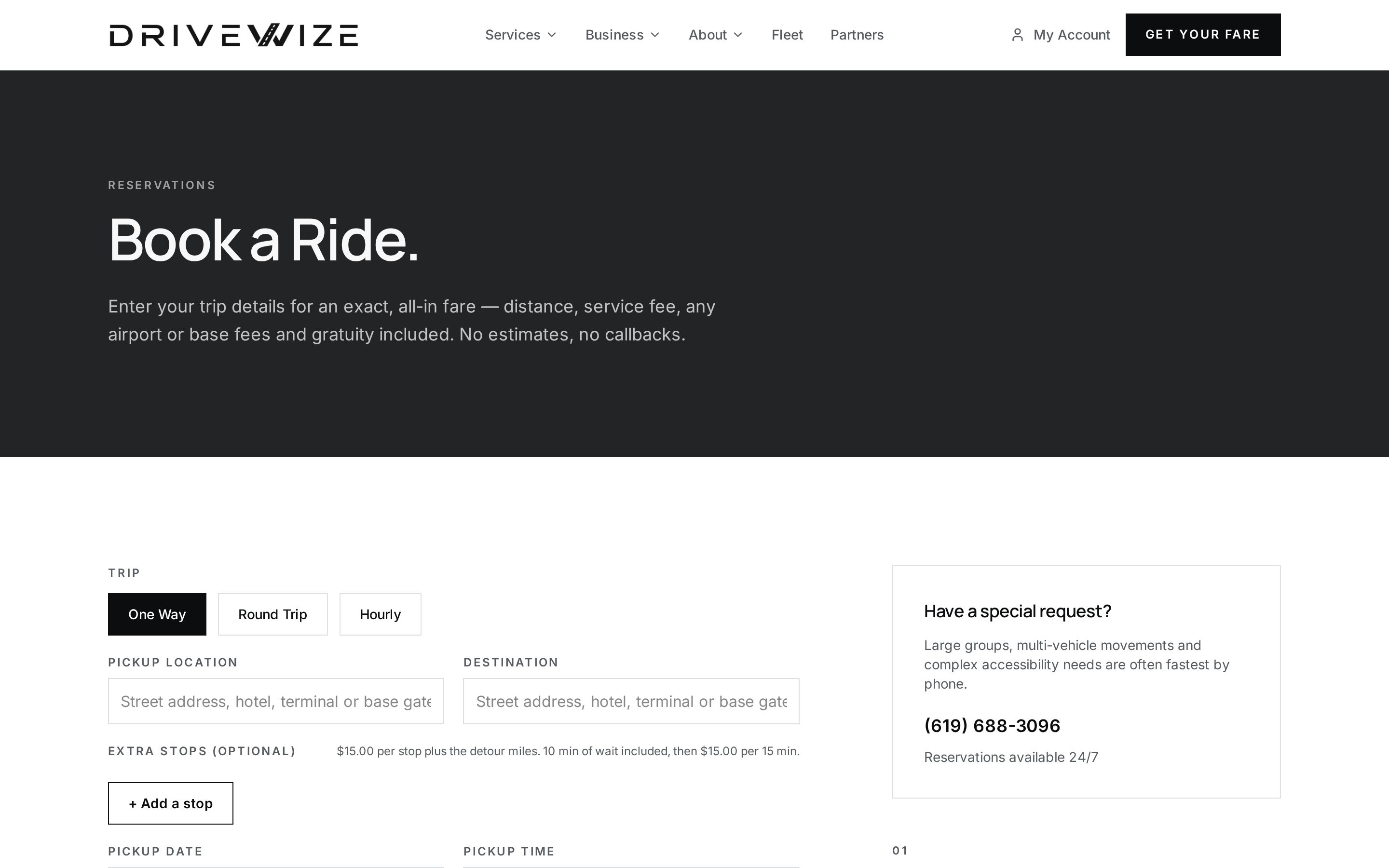
Reservation and fare software interface developed by Montimer Media for DriveWize Transportation
Reservation and fare workflow developed for DriveWize Transportation.

What we build

Systems, Not Just Screens.

Most software projects fall into one of these categories, and many combine several.

Custom Business Software

Purpose-built systems designed around a company's workflow instead of forcing the company into generic software. We start from how the work is done today, then build the tool that removes the friction rather than adding a new place to re-enter the same information.

Administrative Dashboards

Centralized tools for inquiries, customers, projects, reservations, payments, reporting, and operational updates. One place for the team to see what is happening and act on it, with the detail views and status changes the day actually requires.

Customer and Client Portals

Secure spaces where customers can view information, submit requests, manage reservations, access documents, and communicate with the business. Authenticated, permission-aware, and built so the business does not have to answer the same question by email ten times a week.

Reservation and Booking Platforms

Configurable booking experiences, pricing logic, service selection, customer accounts, payments, confirmations, and administrative management. Booking is only half the system — the operational side that manages what comes in matters just as much.

Workflow Automation

Tools that reduce repetitive entry, route information correctly, trigger communications, and connect existing business systems. Automation here means fewer manual steps between something happening and the right person knowing about it.

Product and SaaS Development

Multi-company platforms, subscription products, role-based access, tenant-specific configuration, and scalable product foundations. This is the category PassengerOps sits in, and the architecture decisions carry over to product work we take on.
Process

How a Software Project Runs.

Software is scoped in phases. Each stage produces something reviewable before the next begins.

  1. 01

    Business and workflow discovery

    We document how the work is done today, where the manual effort lives, and what a better version looks like.

  2. 02

    Requirements and system planning

    Data model, roles and permissions, integrations, and the boundary between phase one and later phases.

  3. 03

    Interface and experience design

    Screens designed for the people who will use them daily, not for a demo.

  4. 04

    MVP development

    We build the smallest version that is genuinely useful in production, then extend from real usage.

  5. 05

    Testing and controlled launch

    Functional testing, edge cases, and a rollout that lets the team adapt without disruption.

  6. 06

    Continued development and support

    Maintenance, monitoring, and the next set of features as the business changes.

Scope and support

Every Software Project Is Individually Scoped.

There is no package price for custom software, because no two operations run the same way.

After a discovery conversation we produce a written scope: the workflows covered, the roles and permissions involved, the integrations required, what is included in the first release, and what is deliberately deferred to a later phase. Cost follows from that scope rather than a fixed tier.

Software also does not end at launch. Ongoing support covers maintenance, monitoring, fixes, and continued development as the business changes — handled by the same people who built the system.

Our own product

PassengerOps is our first major platform.

A configurable reservation and operations platform for transportation companies, currently in development. It is the clearest example of the kind of multi-company software architecture we build.